Expert Commercial Pest Control Service in Ahmedabad for a Pest Free Business Environment
- pestcarelimited01
- Jul 28
- 8 min read

A single cockroach in a restaurant, a rodent dropping in a warehouse, or termite damage in a retail unit can quickly damage trust. For any business, pests are more than a nuisance. They affect hygiene, safety, stock quality, customer confidence, and day-to-day operations.
Ahmedabad’s warm climate, dense commercial areas, food businesses, storage facilities, and mixed-use buildings make pest prevention a serious business need. Shops, restaurants, factories, hotels, hospitals, schools, warehouses, and offices all face different pest risks. The right plan keeps those risks under control before they become expensive problems.
A Commercial Pest Control Service in Ahmedabad helps businesses create cleaner, safer, and more compliant spaces through inspection, treatment, prevention, and regular monitoring.

Why pest control matters for businesses
Pests enter commercial spaces for three simple reasons: food, water, and shelter. Once they get in, they can multiply quickly, especially in kitchens, storerooms, basements, false ceilings, drainage areas, loading bays, and waste disposal zones.
For businesses, pest control is not only about removing insects or rodents. It supports the basic conditions needed to operate smoothly.
Poor pest management can lead to:
Contaminated food, packaging, or raw materials
Damaged electrical wiring, wooden fixtures, paper, and stock
Complaints from customers, tenants, or staff
Unpleasant odours and visible pest activity
Risk of non-compliance with hygiene and safety standards
Loss of reputation, especially for food, hospitality, healthcare, and retail businesses
The biggest risk is often not the pest itself, but the delay in addressing it. A minor ant trail, a few cockroaches near a drain, or a small rodent movement in a storeroom can point to a larger hidden issue.
Regular commercial pest control helps identify these signs early. It creates a planned system instead of a last-minute reaction.
Common pest problems in Ahmedabad commercial properties
Different businesses attract different pests. A restaurant may struggle with cockroaches and flies, while a warehouse may face rodents, termites, and stored product insects. A hotel may need discreet and frequent monitoring because guest experience matters every day.
Pest type | Common risk areas | Business impact |
Cockroaches | Kitchens, drains, pantry areas, washrooms | Food contamination, odour, visible complaints |
Rodents | Warehouses, basements, false ceilings, loading zones | Stock damage, wiring damage, droppings |
Termites | Wooden furniture, partitions, records, storage rooms | Structural and fixture damage |
Ants | Food counters, sweet storage, cracks, wall gaps | Hygiene issues and customer discomfort |
Flies and mosquitoes | Waste points, drains, water collection areas | Hygiene concerns and staff discomfort |
Bed bugs | Hotels, guest houses, staff accommodation | Guest complaints and repeat infestation risk |
Stored product insects | Grain, flour, pulses, packaged food storage | Product loss and contamination |
A professional Pest Control Service in Ahmedabad studies the site before suggesting a treatment. This matters because a restaurant kitchen, pharmacy store, textile warehouse, and school cafeteria cannot follow the same pest control plan.
Services offered by commercial pest control companies in Ahmedabad
Commercial pest control companies usually provide a mix of inspection, treatment, exclusion, monitoring, and reporting. The service should fit the property type, pest pressure, operating hours, and hygiene requirements.
Site inspection and pest risk assessment
A proper service begins with inspection. Technicians check pest entry points, nesting areas, food sources, water leakage, waste handling, wall cracks, drains, storage practices, and previous infestation signs.
This step helps identify:
The type of pest present
The level of activity
The source of infestation
Areas that need immediate treatment
Long-term prevention gaps
For example, repeated cockroach activity near a kitchen drain may need gel baiting, drain treatment, sealing of gaps, and better night-time cleaning. Spraying alone may not solve the issue.
Cockroach control treatment
Cockroach control is one of the most requested commercial services, especially for food outlets, cafés, canteens, bakeries, hotels, supermarkets, and commercial kitchens.
Professional cockroach treatment may include:
Gel baiting in cracks, crevices, hinges, and hidden corners
Residual spray in non-food contact areas
Drain and manhole treatment where needed
Monitoring of high-risk areas
Follow-up visits for severe infestations
Good cockroach control focuses on hiding places, not just visible insects. Kitchens often have warm motors, damp drains, gaps behind tiles, and hard-to-clean equipment zones where cockroaches survive.
Rodent control and proofing
Rodents can cause serious damage in commercial premises. They chew packaging, contaminate stock, damage wires, and move through drains, wall gaps, ceilings, and loading areas.
A professional rodent programme may include:
Rodent bait stations placed in safe, planned locations
Glue traps or mechanical traps where suitable
Entry point sealing recommendations
Burrow inspection around exterior areas
Regular monitoring and activity reports
In food and pharmaceutical environments, placement and documentation matter. Baits and traps must be positioned carefully to avoid contamination risk.
Termite control for commercial buildings
Termites can silently damage wooden structures, furniture, partitions, files, display units, and fixtures. Retail stores, offices, schools, warehouses, and old buildings need periodic termite checks.
Commercial termite services may include:
Inspection of wooden elements and damp zones
Soil treatment for selected areas
Drill-fill-seal treatment for affected walls and floors
Wood treatment for furniture or fixtures
Preventive termite treatment during renovation
Termite control should not be delayed if mud tubes, hollow wood, powdering, or stuck doors appear. The longer termites remain hidden, the more expensive the repair can become.
Fly, mosquito, and drain pest management
Flies and mosquitoes often breed near waste, wet surfaces, open drains, and stagnant water. Restaurants, hotels, hospitals, food processing units, and public-facing businesses need strict control.
Services may include:
Drain treatment
Larval source management
Fogging in suitable exterior areas
Fly control devices in selected locations
Waste area inspection
Recommendations for water stagnation removal
The best results come when pest treatment works with sanitation. No service can control flies for long if waste bins remain open or drains stay clogged.
Bed bug treatment for hospitality and accommodation
Hotels, lodges, hostels, dormitories, and staff housing may face bed bug problems. These pests travel through luggage, linen, furniture, and clothing. They hide in mattress seams, bed frames, headboards, cracks, and upholstery.
A professional bed bug treatment may involve:
Room inspection
Mattress and furniture treatment
Crack and crevice application
Heat or chemical treatment where suitable
Follow-up inspection
Discretion matters in hospitality. A good provider plans treatment with minimal disturbance and clear room readiness instructions.
Disinfection and sanitation support
Some pest control companies also offer sanitation, odour control, drain cleaning support, or surface disinfection services. These are not replacements for pest control, but they can support hygiene in high-risk areas.
For commercial sites, combined hygiene and pest management works well when there is clear scheduling, proper chemical use, and staff communication.
Benefits of hiring professional commercial pest control services
DIY pest control may work for a small, one-time issue, but commercial spaces need a safer and more reliable approach. Professional pest control brings trained inspection, correct product use, planned treatment, and ongoing monitoring.
Better identification of the real problem
A visible pest is often only a symptom. Professionals look for the source. For example, ants may be entering through a wall crack near a food counter, while rodents may be using a drain line or a gap near a loading shutter.
Correct identification saves time and prevents repeated treatments that do not address the cause.
Safer treatment for people and goods
Commercial properties may have staff, customers, food items, medicines, machinery, documents, or raw materials on site. Professionals choose treatment methods based on the setting.
They also guide businesses on preparation, re-entry time, cleaning after treatment, and areas that need temporary closure.
Lower risk of business disruption
A serious pest issue can interrupt operations. Regular pest control reduces the chance of sudden infestations, emergency closures, stock rejection, or customer complaints.
Scheduled visits can often be planned during non-peak hours, weekly offs, or low-traffic periods.
Documentation and service records
Many businesses need pest control records for internal checks, audits, landlord requirements, safety inspections, or customer assurance. Professional providers can offer service reports, treatment records, pest activity logs, and recommendations.
These records also help track patterns. If rodent activity increases near a loading bay every monsoon, the business can prepare earlier.
Long-term prevention instead of repeated spraying
Professional pest control is not only chemical treatment. It includes exclusion, hygiene advice, storage improvement, waste control, and monitoring.
That means fewer repeat infestations and better control over time.
The most effective pest control plan is the one that combines treatment with prevention. Killing visible pests is only the first step.

How to choose the right pest control company in Ahmedabad
Not every pest control provider is suitable for commercial work. Businesses should look for a company that understands the difference between treating a home and managing a working commercial site.
Before hiring, check for these points:
Experience with your business type
A restaurant, clinic, warehouse, and school all need different service planning.
Inspection before quotation
A site visit gives a clearer picture than a phone estimate.
Clear treatment plan
The provider should explain what will be treated, how, when, and what preparation is needed.
Safe product handling
Ask about chemicals, bait placement, safety measures, and re-entry guidance.
Follow-up support
Severe infestations often need more than one visit.
Service documentation
Commercial clients should receive treatment records and recommendations.
Preventive approach
The company should point out gaps, waste issues, water leakage, storage problems, and entry points.
A low-cost one-time spray may seem attractive, but it can fail if the infestation source remains untouched. A planned service contract is usually better for businesses with ongoing pest pressure.
Practical tips for maintaining a pest-free business environment
Professional pest control works best when daily habits support it. Most pest issues start with access to food, water, shelter, or entry points. Small improvements can make a big difference.
Keep food and raw materials sealed
Store ingredients, packaged goods, and raw materials in closed containers. Keep stock off the floor on pallets or racks. Follow first-in, first-out stock rotation to reduce long storage periods.
Damaged packaging should be removed quickly because it attracts insects and rodents.
Clean high-risk areas daily
Food residue behind equipment, under counters, near drains, and around waste bins attracts pests. Cleaning should cover both visible and hidden areas.
Pay special attention to:
Kitchen corners
Grease traps
Floor drains
Storage shelves
Under refrigerators
Staff pantry areas
Waste collection points
Manage waste correctly
Waste bins should have tight lids and should be emptied regularly. Outdoor waste areas must stay clean and away from entry doors where possible.
Spilled liquids, food waste, and wet cardboard create ideal pest conditions.
Seal gaps and entry points
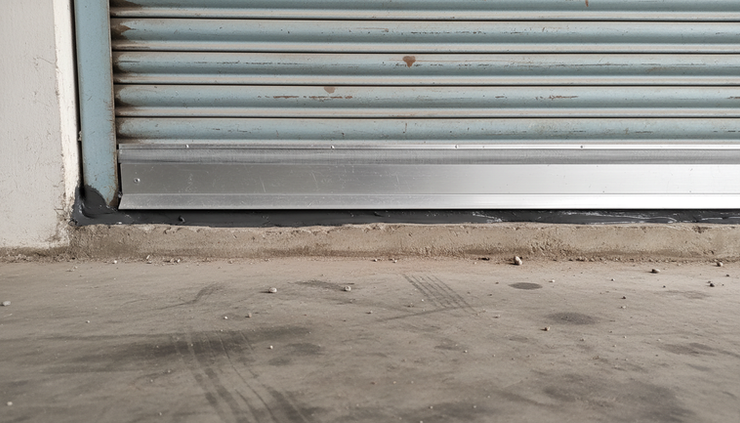
Rodents and insects can enter through small openings. Check gaps under shutters, pipe openings, wall cracks, broken tiles, drain covers, and utility ducts.
Use suitable sealing materials and door sweeps. For larger commercial properties, schedule periodic proofing inspections.
Fix moisture problems
Leakage, damp walls, clogged drains, and standing water attract cockroaches, mosquitoes, termites, and other pests. Repair plumbing issues quickly and improve ventilation in damp areas.
Train staff to report early signs
Staff often notice pests before management does. Create a simple reporting process for droppings, gnaw marks, insect trails, damaged packaging, odours, or live pest sightings.
Early reporting prevents a small issue from spreading across the premises.

A pest-free business starts with a planned system
Commercial pest control is not a one-time activity. It is a management process that protects people, property, products, and reputation. Businesses in Ahmedabad face year-round pest pressure, especially where food, storage, moisture, and waste are present.
The best results come from a clear plan: regular inspections, targeted treatment, safe methods, proofing, hygiene checks, staff awareness, and service records. When pest control becomes part of routine facility care, the business becomes safer, cleaner, and more reliable for everyone who enters it.
A pest-free business environment is built through prevention first, treatment when needed, and consistent follow-up.


Comments